OPST-12, April 2026

12th Meeting of the OceanPredict Science Team (OPST-12)
15-17 April 2026
| Where: | Montreal, Canada – in-person meeting |
| When: | 15 – 17 April 2026 |
| Duration: | 3-day meeting |
| Organisers: | Marie Drevillon (MOI) Greg Smith (ECCC) Stephanie Cuven (MOi) Kirsten Wilmer-Becker (Met Office) |
| Announcement | N/A |
Participation
- Members of the OceanPredict Science Team (OPST)
- Members of the OceanPredict Advisory Board (OPAS)
- Invited guests
Contacts:
Greg Smith, ECCC, OPST co-chair
Marie Drevillon, MOi, OPST co-chair
Stephanie Cuven, MOi, OP programme office
Kirsten Wilmer-Becker, Met Office, OP Programme Office
- 15-17 April 2026 (Wed – Fri)
- In-person meeting by invitation only
- Montreal, Canada
Please note that everyone attending the OPST-12 meeting must register using the link below.
(By invitation only)
| REGISTRATION
NOW CLOSED |
Meeting agenda
Here you can view the current OPST-12 agenda. (updated 15 April 2026)
Meeting attendance
Attendance includes remote and in-person attendance
| No | First name | Last name | Affiliation |
|---|---|---|---|
| 1 | Enrique | Alvarez Fanjul | Mercator Ocean International |
| 2 | Laurent | Bertino | NERSC |
| 3 | Barbara | Casati | Environment and Climate Change Canada |
| 4 | Eric | Chassignet | Florida State University |
| 5 | Marcin | Chrust | ECMWF |
| 6 | Stefano | Ciavatta | Mercator Ocean International |
| 7 | Stefania | Ciliberti | NowSystems |
| 8 | Stephanie | Cuven | Mercator Ocean International |
| 9 | Fraser | Davidson | ECCC |
| 10 | Pierre | De Mey | CNRS/LEGOS |
| 11 | Marie | Drevillon | Mercator Ocean International |
| 12 | Yann | Drillet | mercator ocean |
| 13 | Anass | El Aouni | Mercator Ocean International |
| 14 | Mikhail | Entel | Bureau of meteorology |
| 15 | David | Ford | Met Office |
| 16 | Sergey | Frolov | noaa |
| 17 | Yosuke | Fujii | JMA/MRI |
| 18 | Rachel | Furner | ECMWF |
| 19 | Isabelle | Gaboury | Fisheries and Oceans Canada |
| 20 | Fabrice | Hernandez | IRD/LEGOS |
| 21 | Nam-Hoon | Kim | Korea Institute of Ocean Science & Technology |
| 22 | Alexander | Kurapov | NOAA |
| 23 | Jae-Il | Kwon | Korea Institute of Ocean Science & Technology |
| 24 | Yvonnick | Le Clainche | Fisheries and Oceans Canada |
| 25 | Pierre-Yves | Le Traon | Mercator Ocean International |
| 26 | Guimei | Liu | NMEFC |
| 27 | Simona | Masina | CMCC |
| 28 | Kristian | Mogensen | ECMWF |
| 29 | Andrew | Moore | UC Santa Cruz |
| 30 | Elisabeth | Remy | Mercator Ocean International |
| 31 | Hal | Ritchie | Environment and Climate Change Canada |
| 32 | Andreas | Schiller | Unaffiliated |
| 33 | Ann Kristin | Sperrevik | MET Norway |
| 34 | Joanna | Staneva | Helmholtz Zentrum HEREON |
| 35 | Clemente | Tanajura | UFBA and REMO |
| 36 | Hendrik | Tolman | NOAA / National Weather Service |
| 37 | Simon | van Gennip | Mercator Ocean |
| 38 | Anthony | Weaver | CERFACS |
| 39 | Kirsten | Wilmer-Becker | Met Office |
| 40 | Chunxue | Yang | CNR-ISMAR |
| 41 | Andrew | Peterson | ECCC |
Presentations and recordings
All available presentations can be opened as pdf. If you need access to the pptx version please contact the programme office. Recordings are available via login – please contact the programme office for details.
| No | Session / presentation title (pdf) | Presenter (affiliation) | Recording |
|---|---|---|---|
| 1. OPST-12 introduction, objectives and priorities | |||
| 1.1 | Introduction | Greg Smith (ECCC)/ Kirsten Wilmer-Becker (Met Office) | Recording |
| 1.2 | Host presentation | Normand Gagnon (ECCC) | Recording |
| 1.3 | New TT co-chair introductions | Various speakers | Recording |
| 1.4 | Meeting structure and objectives | Marie Drevillon (MOI) and Greg Smith (ECCC) | Recording |
| 2. Science overview | |||
| 2.1 | OP-DCC and UN decade | Enrique Alvarez (MOI) | Recording |
| 2.2 | ForeSea progress | Eric Chassignet (FSU) | Recording |
| 2.3 | GOOS Status (provided by Joanna Post) | Pierre-Yves Le Traon (MOI) | Recording |
| 2.4 | Satellite observations for ocean prediction | Pierre-Yves Le Traon (MOI) | Recording |
| 2.5 | AI transformation | Rachel Furner (ECMWF) & Anass El Aouni (MOI) | Recording |
| 2.6 | HPC developments (GPUs, differential modelling) | Kristian Mogensen (ECMWF) | Recording |
| 2.7 | Digital Twins (DITTO) | Joanna Staneva (Hereon) | Recording |
| 2.8 | Joint Collaboration Board (JCB) | Fraser Davidson (ECCC) | Recording |
| 2.9 | (JWGFVR) Joint Working Group on Forecast Verification Research and related WMO activities | Barbara Casati (ECCC) | Recording |
| 3. Operational systems | |||
| 3.1 | OPOS-WG introduction | David Ford (Met Office) & Fraser Davidson (ECCC) | Recording |
| 3.2 | UK system | David Ford (Met Office) | Recording |
| 3.3 | France system | Yann Drillet (MOI) | Recording |
| 3.4 | Korea system | Jae-Il Kwon (KIOST) | Recording |
| 3.5 | Australia system | Mikhail Entel (BoM) | Recording |
| 3.6 | Japan system | Yosuke Fujii (MIR-JMA) | Recording |
| 3.7 | USA system | Alex Kurapov (NOAA) | Recording |
| 3.8 | Canada system | Greg Smith (ECCC) | Recording |
| 3.9 | ECMWF system | Kristian Mogensen (ECMWF) | Recording |
| 3.10 | Updates from other systems | David Ford (Met Office) & Fraser Davidson (ECCC) | Recording |
| 4. Task Teams updates | |||
| 4.1 | IV-TT | Chunxue Yang (CNR) | Recording |
| 4.2 | COSS-TT | Joanna Staneva (Hereon) | Recording |
| 4.3 | MEAP-TT | Stefano Ciavatta (MOI) | Recording |
| 4.4 | DA-TT | Sergey Frolov (NOAA) | Recording |
| 4.5 | OSEval-TT/ SynObs | Yosuke Fujii (MRI/JMA) & Elisabeth Remy (MOI) | Recording |
| 4.6 | CP-TT | Kristian Mogensen (ECMWF) | Recording |
| 4.7 | AI-TT | Rachel Furner (ECMWF) & Anass El Aouni (MOI) | Recording |
| 5. Breakout session results | |||
| 5.1 | Data assimilation | Greg Smith (ECCC) | Recording |
| 5.2 | Verification | Chunxue Yang (CNR) | Recording |
| 5.3 | Observing system evaluations | Yosuke Fujii (MRI-JMA) | Recording |
| 5.4 | Models | Alex Kurapov (NOAA) | Recording |
| 5.5 | Visualisation | Yann Drillet (MOI) | Recording |
| 5.6 | Value-chain | Fraser Davidson (ECCC) | Recording |
| 5.7 | Operationality | David Ford (Met Office) | Recording |
| 5.8 | International collaborations | Pierre-Yves Le Traon (MOI) | Recording |
| 5.9 | Downstream | Joanna Staneva (Hereon) | Recording |
| 5.10 | Partnerships | Eric Chassignet (FSU) | Recording |
| 5.11 | Monitoring and assessments | Andrew Moore (UCSC) | Recording |
| 5.12 | New observations | Elisabeth Remy (MOI) | Recording |
| 5.13 | Improving observation and prediction systems | Anass El Aouni (MOI) | Recording |
| 5.14 | Routine impact assessments | Kristian Mogensen (ECMWF) | Recording |
| 5.15 | New capabilities | Marie Drevillon (MOI) | Recording |
| 5.16 | Outreach – learning | Kirsten Wilmer-Becker (Met Office) | Recording |
| 5.17 | Outreach – supporting new operational system utility | Jae-Il Kwon (KIOST) / Fraser Davidson (ECCC) | Recording |
| 6. OP programme office report | |||
| 6.1 | OceanPredict – general overview and events | Kirsten Wilmer-Becker (Met Office) | Recording |
Meeting report

Please download the full OPST-12 report here
Executive summary
The OceanPredict Science Team (OPST) meeting highlighted the rapid evolution of operational ocean forecasting worldwide and reaffirmed OceanPredict’s role as the leading international forum coordinating advances in ocean prediction, observations, data assimilation, forecasting, verification, and user services. Participants reviewed progress since the current OceanPredict strategy was launched and identified priorities for the next five years, while also considering the programme’s evolution beyond the UN Ocean Decade and towards 2030.
Across all centres and task teams, a common trend emerged: operational systems are increasingly moving towards coupled Earth-system prediction, integrating atmosphere, ocean, sea ice, waves, biogeochemistry, and ecosystems. Major forecasting centres—including ECMWF, the UK Met Office, Mercator Ocean, NOAA, Environment and Climate Change Canada, JMA, the Australian Bureau of Meteorology, Korea, and others—reported substantial investments in higher-resolution modelling, ensemble prediction, advanced data assimilation, Arctic forecasting, ocean reanalysis, and machine learning.
Artificial intelligence (AI) was a dominant theme throughout the meeting. Many centres are already operating or testing AI-based forecasting systems, while others are exploring hybrid approaches that combine machine learning with traditional physics-based models. Participants agreed that AI offers major opportunities across forecasting, data assimilation, observing systems, verification, and user applications. However, advances in physical modelling, parameterisation development, numerical methods, and scientific understanding remain essential. A key challenge will be maintaining expertise in ocean modelling and numerical methods while expanding AI capabilities.
Significant progress was reported in observations and data assimilation. New opportunities are emerging from SWOT, autonomous platforms, low-cost sensors, commercial satellite constellations, gliders, and citizen science initiatives. Participants stressed the importance of sustaining critical observing systems such as Argo, improving observation-impact assessment, strengthening feedback to observing communities, and exploring new techniques such as observation system simulation experiments (OSSEs), nature runs, and AI-enabled observing networks.
Task teams highlighted advances in forecast verification, coastal prediction, marine ecosystem forecasting, coupled prediction, observation impact assessment, and operational readiness. Common priorities included developing shared verification tools, common metrics, reproducible workflows, code repositories, and stronger links between AI and existing validation frameworks. There was strong support for expanding community resources through shared platforms, GitHub repositories, training materials, and a more visible OceanPredict web presence.
Updates from operational centres demonstrated a highly active global forecasting community. Key developments included two-way wave–ocean coupling, daily ocean analyses, ensemble forecasting, SWOT assimilation, Arctic coupled prediction systems, long-term reanalyses, coastal forecasting systems, and next-generation high-resolution models. While centres differ in missions and technical approaches, common priorities include uncertainty estimation, coupled prediction, machine learning, and improved support for operational users.
The meeting also reinforced the importance of downstream applications and societal value. Participants emphasised stronger engagement with users through co-design and co-development processes and proposed developing flagship use cases in areas such as marine hazards, search and rescue, environmental emergencies, ecosystem management, and marine protected areas. Demonstrating the societal benefits of ocean prediction will be increasingly important for securing long-term support from governments, funders, and observing networks.
Beyond science and technology, discussions focused on OceanPredict’s future governance and international role. Participants agreed that OceanPredict should continue to serve as a global coordination mechanism linking organisations such as IOC, WMO, GOOS, the Ocean Prediction Decade Collaborative Centre (OP-DCC), Digital Twin Ocean initiatives, and national operational centres. A clearer vision for OceanPredict beyond 2030 should be developed in time for presentation at the 2027 UN Ocean Decade Conference in Brazil.
Finally, training, outreach, and workforce development emerged as critical priorities. OceanPredict intends to expand online learning resources, summer schools, workshops, and engagement with Early Career Ocean Professionals (ECOPs). Strengthening communication, increasing visibility, improving interoperability, and fostering collaboration across disciplines were repeatedly identified as essential to future success.
Overall, the meeting reaffirmed a shared vision of OceanPredict as a globally coordinated, interdisciplinary community advancing ocean prediction through observations, modelling, data assimilation, verification, AI, and user engagement to deliver more accurate, reliable, and societally relevant forecasting services worldwide.
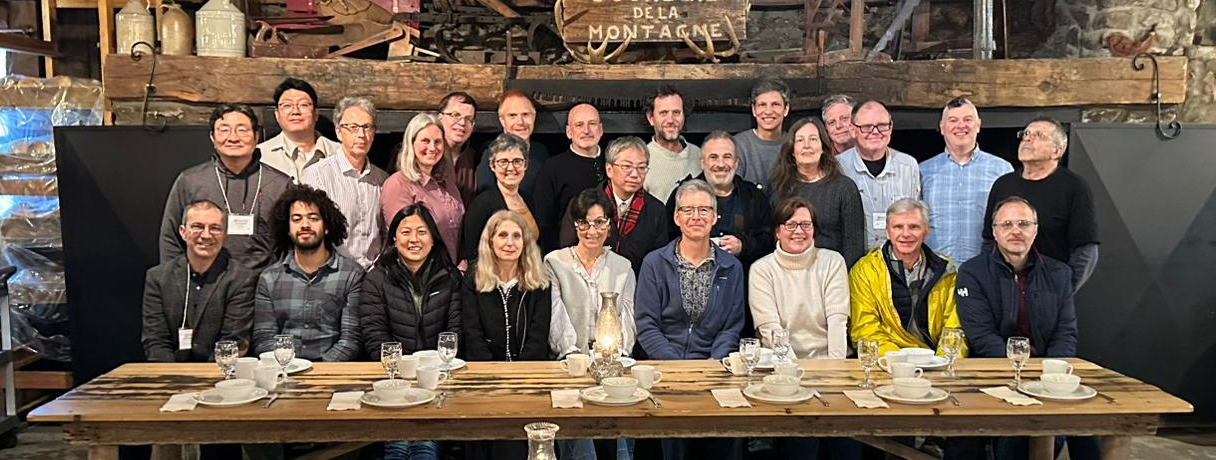
Group photo
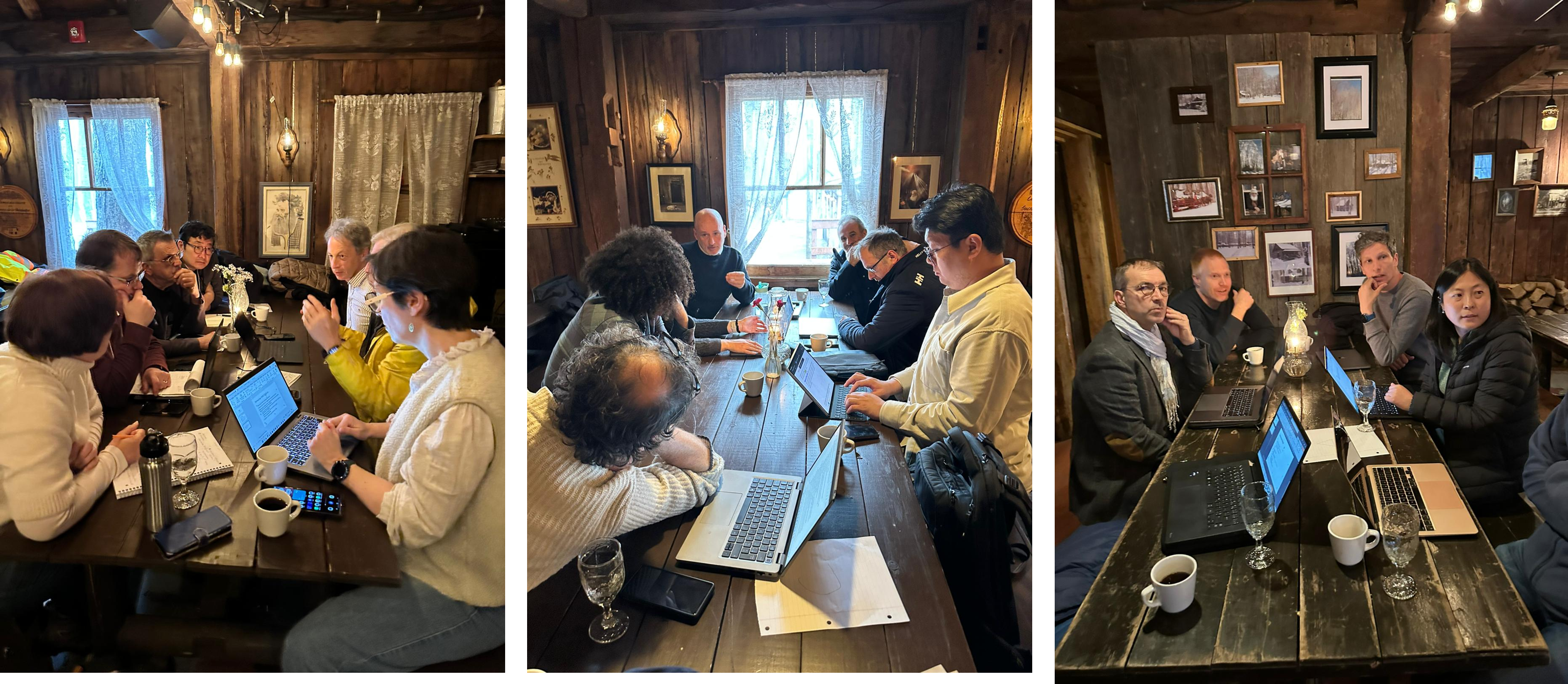
Breakout sessions
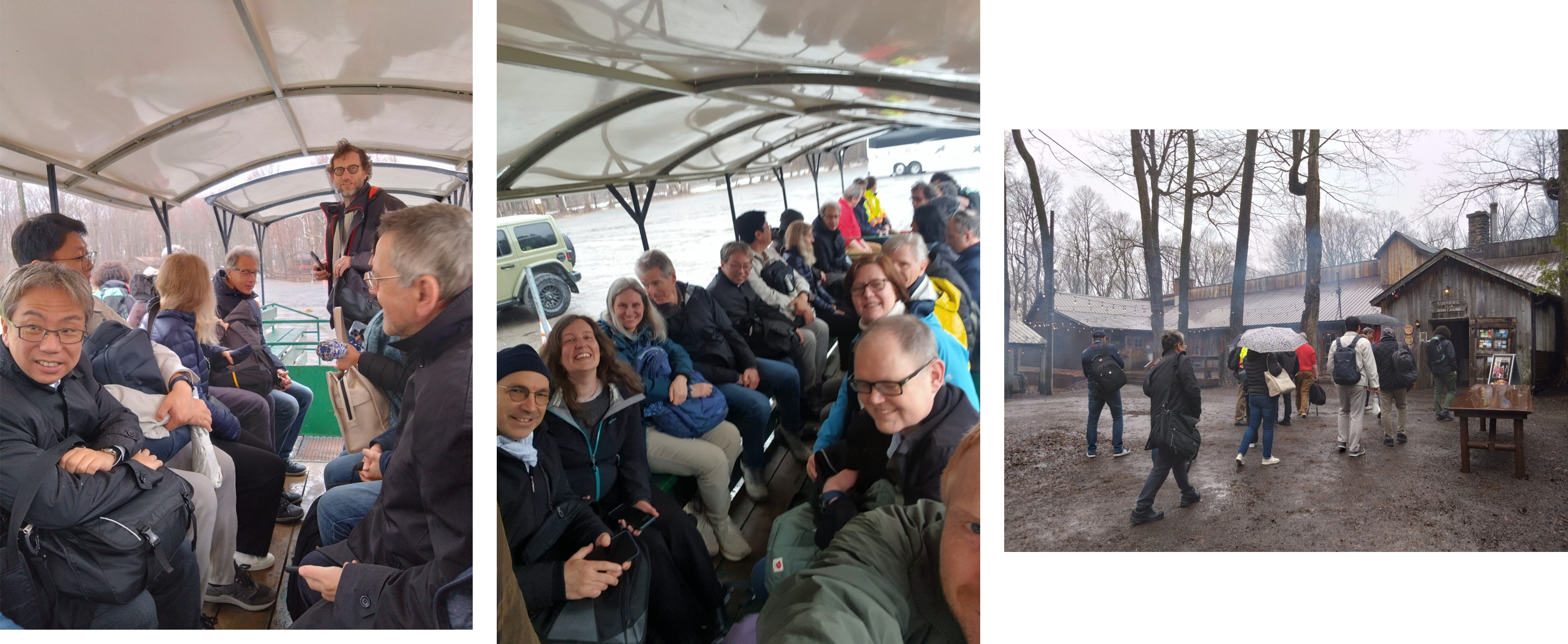
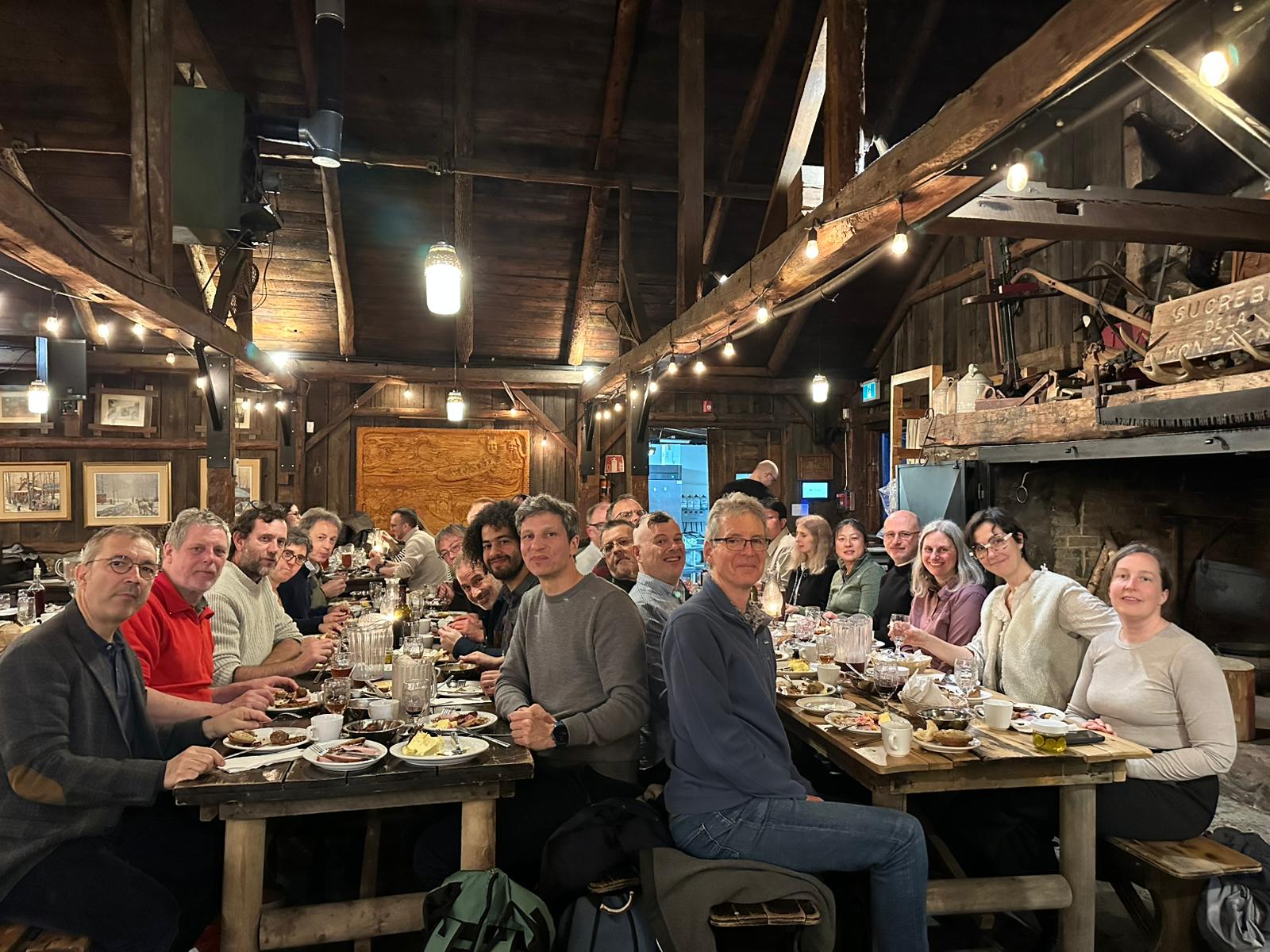
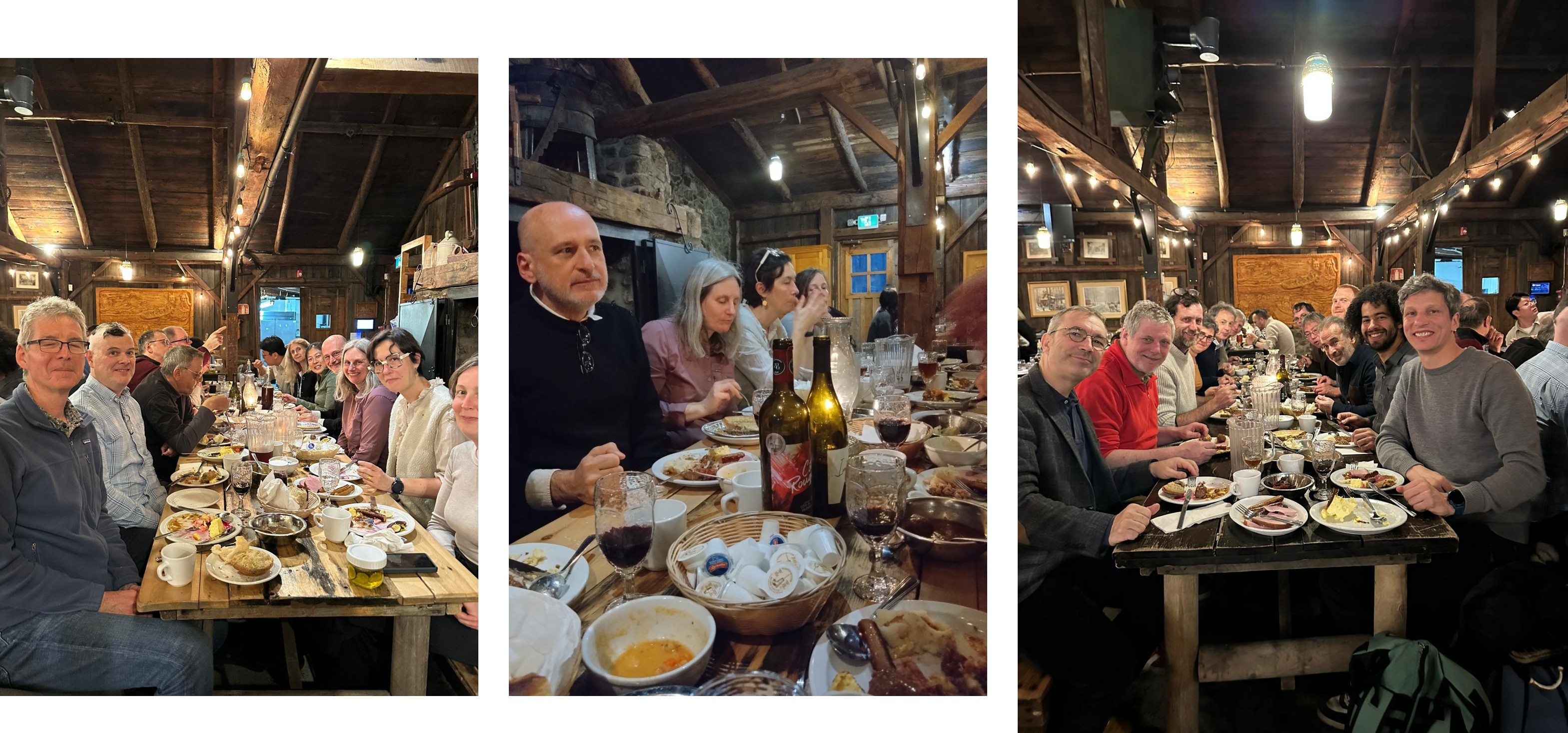
Sugar Shack fun
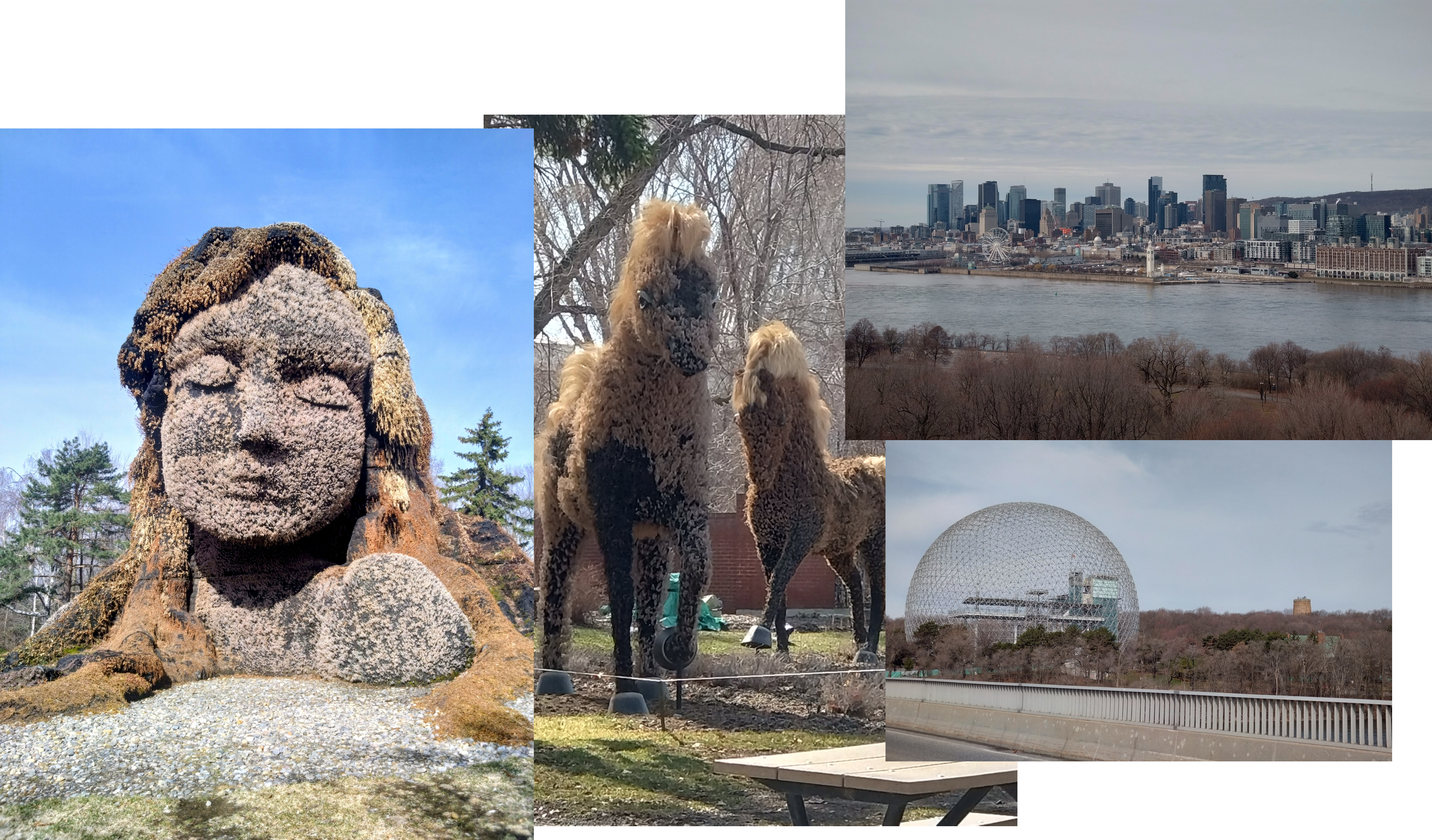
Montreal impressions
Local information about venue, accommodation and transport
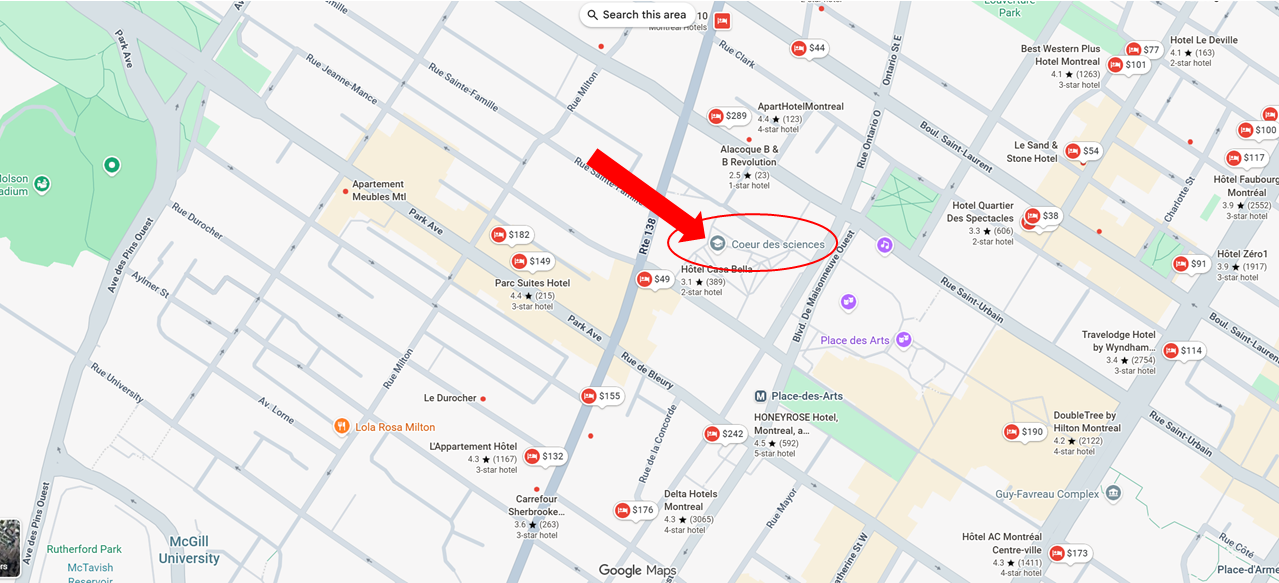
The main entrance to the UQAM Chaufferie building is on the `north’ side (closest to Sherbrooke).
Transport
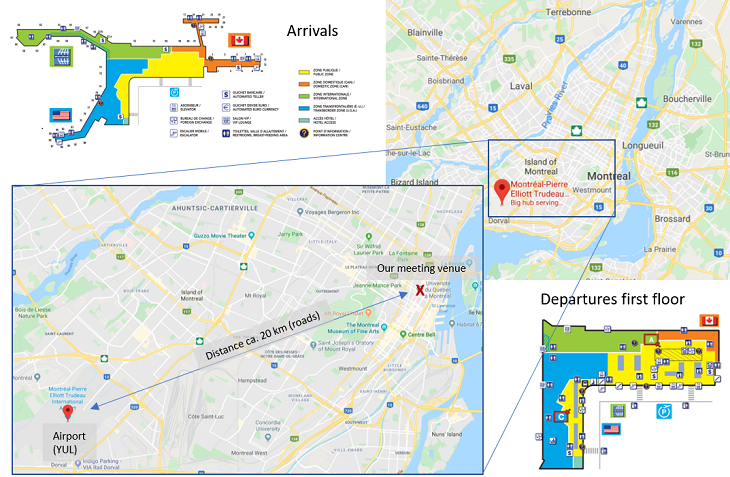
The Montreal International Airport (Pierre Elliott Trudeau – YUL) is conveniently located to the Southwest of Montreal in close proximity to the city centre.
The shuttle bus line “747” runs a 24/7 dedicated service to get you from the airport to downtown Montreal. Detailed information about the route and timetable can be found on the STM 747 website. Tickets for the bus are 10$, and can be purchased at airport ticket machines, from metro stations, kiosk and also from the driver, but only if you have exact change (coins only).
Alternative transport is available by taxi, Uber, etc. Information about routes and costs can be found here.
Flight connections to Montreal are very good, with many destinations being direct. Please check here if your airport directly connects to Pierre Trudeau airport (YUL).
If you booked a room at the Double Tree by Hilton, the best connection from the airport is to use the bus 747-2 and vacate the bus at Rene-Levesque / Jeanne-Mance. From there it is a 2 min walk to the hotel entrance. Please check for updates on fares and bus schedule.
Use of Montreal Underground network (Réso Montréal Souterrain):
Check email sent for attachments: Since the weather is looking a bit wet for next week it may be useful to explore the underground network, known as the Réso Montréal Souterrain. A useful map shows in red how the various areas are linked via the underground paths, for both the entire network as well as a zoom between the hotel and the meeting location. There are some signs (look for `RESO’), but it can be a bit confusing. There is a path that will take you from the Doubletree Hotel through the `Quartier des Spectacles’ to the meeting location, which is adjacent to the Place des Arts metro station. If you look on google maps they also show the paths. I’ve also included a map that shows how to get from the Place des Arts metro to the meeting room, the Chaufferie (CO-R700). It is at the centre of a courtyard and the door is on the north side of the building (ie closest to Sherbrooke).
For more info on the Montreal underground network, read here: https://www.mtl.org/en/experience/guide-underground-city-shopping
Accommodation
 Click to enlarge
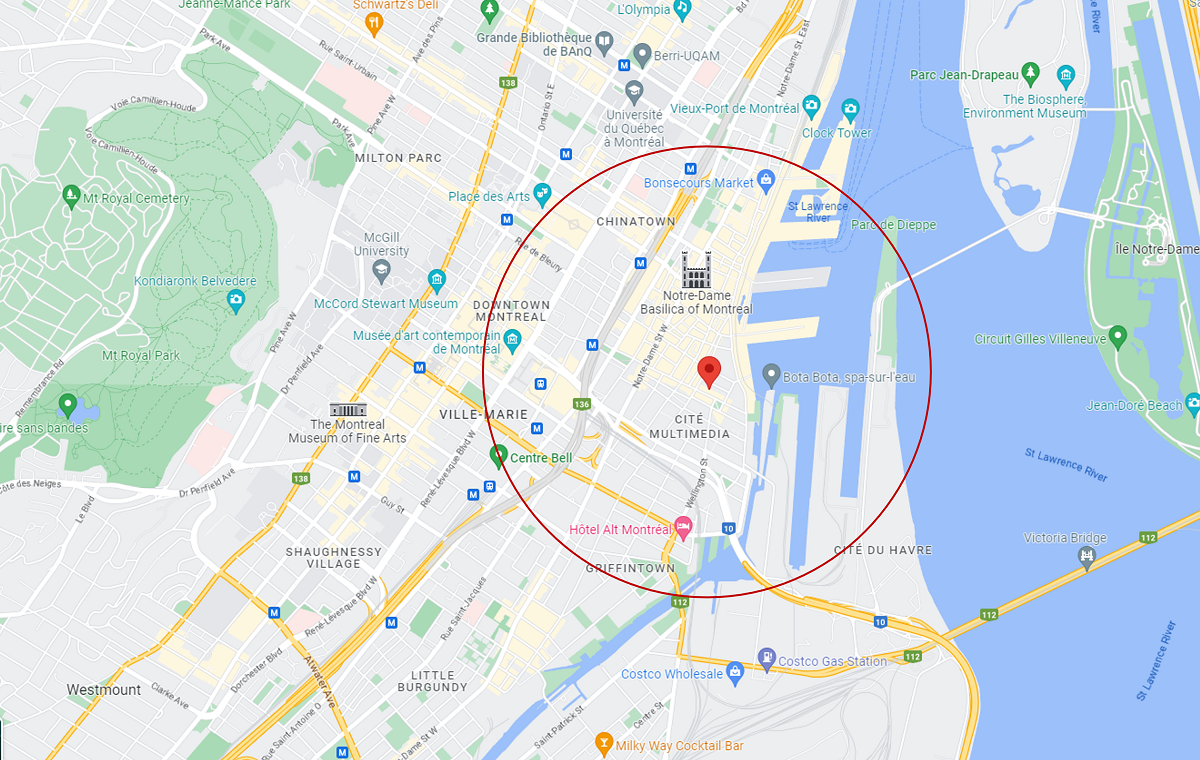
There are many hotels near the meeting venue. Prices are reasonable considering we are in one of the second largest city in Canada. The map (right) shows the location of our venue. Please check this link to view some of the hotels available nearby.
To book these hotels please make your own arrangements, by using the associated website and booking portals.
Montreal
Montreal is the most populous municipality in the Canadian province of Quebec and the second-most populous municipality in Canada. It is named after Mount Royal, the triple-peaked hill in the heart of the city. The city is centred on the Island of Montreal a few much smaller peripheral islands, the largest of which is Île Bizard. It has a distinct four-season continental climate with warm to hot summers and cold, snowy winters.
French is the city’s official language and is the language spoken at home by almost 50% of the city population, followed by English at 22.8% and 18.3% other languages. This makes Montreal one of the most bilingual cities in Quebec and Canada, with over 59% of the population able to speak both English and French.
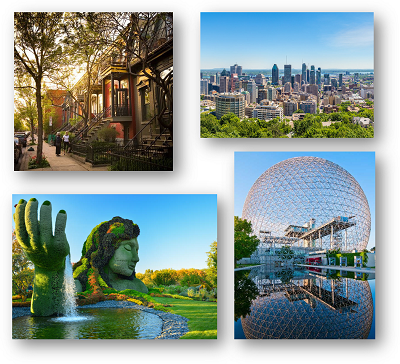
Our meeting venue is very close to Old Montreal, a historic area southeast of downtown containing many attractions such as the Old Port of Montreal, Place Jacques-Cartier, Montreal City Hall, the Bonsecours Market, Place d’Armes, Pointe-à-Callière Museum, the Notre-Dame de Montréal Basilica, and the Montreal Science Centre.
Architecture and cobbled streets in Old Montreal have been maintained or restored and are frequented by horse-drawn buggies carrying tourists. Old Montreal is accessible from the downtown core via the underground city and is served by several STM bus routes and Metro stations, ferries to the South Shore and a network of bicycle paths.
The riverside area adjacent to Old Montreal is known as the Old Port. The Old Port was the site of the Port of Montreal, but its shipping operations have been moved to a larger site downstream, leaving the former location as a recreational and historical area maintained by Parks Canada. The new Port of Montreal is Canada’s largest container port and the largest inland port on Earth.
(Source: Wikipedia)
Meal and local restaurant info
- Thanks to our sponsors we can offer coffee/tea breaks for free.
- If you like to have breakfast outside your hotel, here are some options:
- Eggspectation ($20-30) – Complexe Desjardins (Full service breakfast)
- Cafe et Crepe ($10-20; 374 Rue Sainte-Catherine): Crepes
- Cafe Depot ($1-10) : Basic Cafe adjacent to meeting location. Limited food choices (bagel, croissants, etc..)
- Some of these also serve lunches:
- The Complexe Desjardins Food court (many options: Burgers, Poke, Vegan, Mexican, Chicken, …), it is the same complex the Double Tree by Hilton hotel sits in.
- For a more upscale lunch we suggest: LE CENTRAL | 21 restaurants à découvrir au Quartier des spectacles
- We are planning a dinner for the OPST-12 meeting on Wednesday, 15 April 2026 at the “Mauvais Garcons” located at 2661 Rue Notre Dame for which we would need to take the underground (see info above).